
Get Ground Hydrant Installation
Ground hydrant installation services help property owners ensure reliable fire safety by providing professional setup for fire suppression systems in commercial and industrial sites.
Ground hydrant installation can be an essential component for property owners seeking reliable access to water in various settings. Whether for firefighting preparedness, irrigation needs, or other practical applications, having a properly installed ground hydrant ensures efficient and consistent water supply when it’s needed most. Property owners in the area might explore this work to enhance safety measures, improve operational efficiency, or support ongoing maintenance projects, making it a practical consideration for many types of properties.
When planning such projects, it’s helpful to compare local contractors who specialize in ground hydrant services. Connecting with experienced service providers allows property owners to evaluate different options, ensuring the work aligns with their needs and site conditions. By exploring local expertise, property owners can gather the information needed to make informed decisions and select the best professionals for the job. Keep reading to discover how local contractors can assist with ground hydrant installation and related services.
- Ground Hydrant Installation - needed when establishing reliable water access for firefighting in new commercial or industrial sites.
- Fire Protection System Setup - required during the development of facilities that need an integrated ground hydrant network.
- Property Development Projects - necessary when constructing new residential communities or large-scale developments.
- Emergency Preparedness Planning - essential for facilities aiming to enhance fire safety infrastructure on their property.
- Fire Safety Upgrades - needed when replacing or upgrading existing ground hydrants to meet current safety standards.
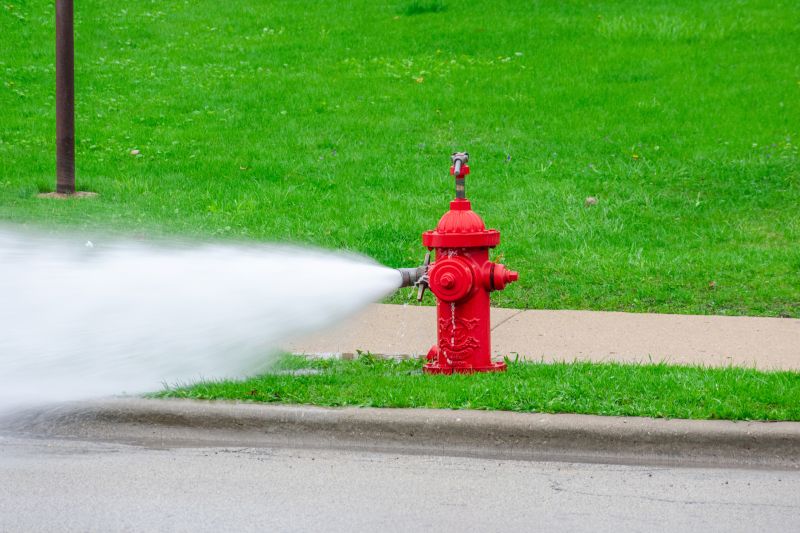
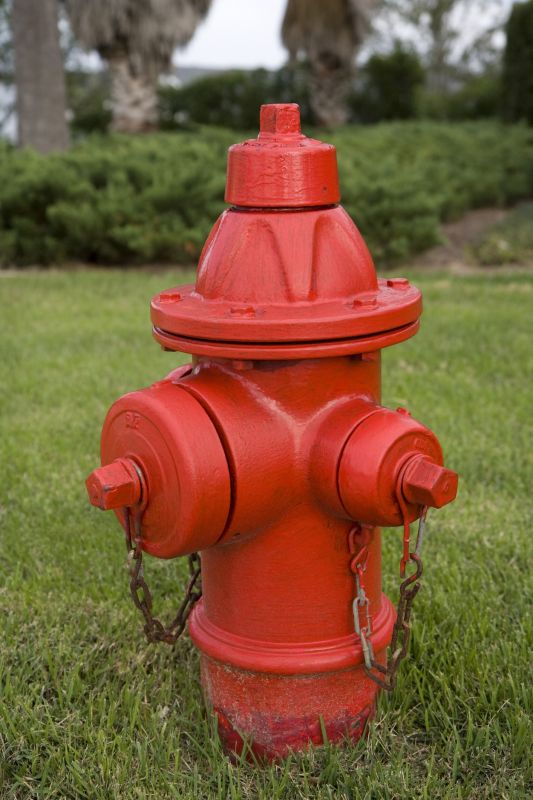
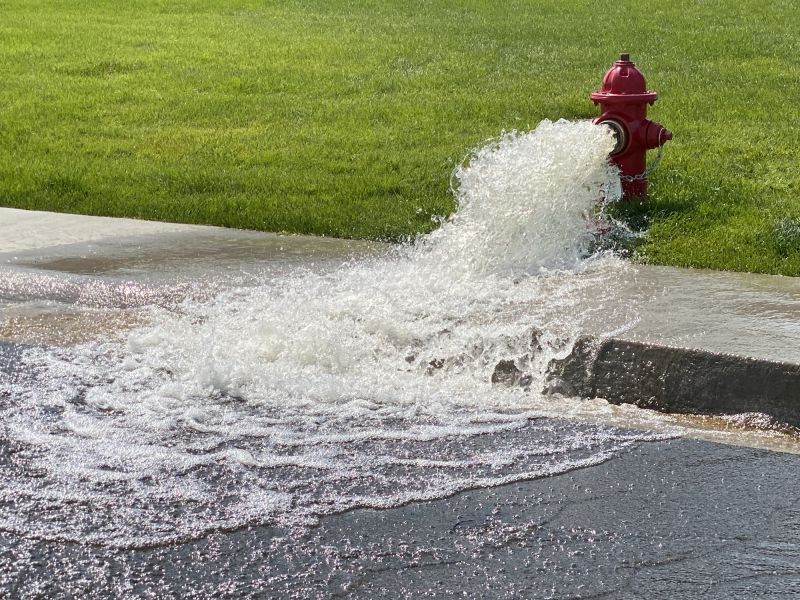
Ground hydrant installation services involve setting up specialized water access points that are typically buried underground on a property. These systems are designed to provide a reliable water source for various outdoor needs, such as irrigation, landscaping, or emergency firefighting. The installation process usually includes digging a trench to position the hydrant, connecting it to the main water line, and securely anchoring the unit underground to ensure durability and accessibility. Professional contractors ensure that the hydrant is properly installed to function effectively and withstand local weather conditions.
This service helps solve common issues related to water access in outdoor spaces. For properties that require frequent watering of lawns, gardens, or large landscaping features, ground hydrants offer a convenient and efficient solution. They are also essential for properties that need a reliable water source for firefighting equipment or emergency preparedness. Installing a ground hydrant can eliminate the need for hoses running across the yard, reducing tripping hazards and protecting landscaping from damage caused by dragging hoses or improper water access points.
Ground hydrant installation is often sought by homeowners with sizable properties, farms, or commercial sites that demand consistent water supply outside the main plumbing system. Rural properties, large estates, sports fields, and public parks are common examples where these systems are used. Even residential properties with extensive gardens or landscaping features can benefit from having a dedicated outdoor water source. This service is especially valuable in areas where access to municipal water is limited or where outdoor water needs are substantial and ongoing.
When considering ground hydrant installation, property owners should evaluate their outdoor water needs and the layout of their land. A local contractor can assess the site to determine the best placement and ensure proper connection to existing water lines. Proper installation helps prevent leaks, freezing issues, or other problems that could compromise the system’s performance. Contacting experienced service providers can help ensure that the installation is done correctly, providing a dependable water source tailored to the specific requirements of the property.
The overview below groups typical Ground Hydrant Installation projects into broad ranges so you can see how smaller, mid-sized, and larger jobs often compare in your area.
In many markets, a large share of routine jobs stays in the lower and middle ranges, while only a smaller percentage of projects moves into the highest bands when the work is more complex or site conditions are harder than average.
Smaller Repairs - Typical costs for minor ground hydrant repairs or adjustments usually range from $250 to $600. Many routine maintenance jobs fall within this band, depending on the specific work needed.
Partial Replacement - Replacing a section of the ground hydrant system or performing upgrades generally costs between $1,000 and $2,500. Larger, more involved projects can reach $3,500 or more, but most fall into the mid-range.
Full Ground Hydrant Replacement - Complete installation or replacement of a ground hydrant system often costs between $3,000 and $7,000. These projects tend to be more complex and are less common, with many falling into the higher end of this range.
Large or Complex Installations - Extensive ground hydrant systems for commercial or industrial sites can exceed $10,000, with some projects reaching $20,000+ depending on size and scope. Such jobs are less frequent but represent the upper tier of typical costs.
Actual totals will depend on details like access to the work area, the scope of the project, and the materials selected, so use these as general starting points rather than exact figures.
Underground Utility Installation - This project involves planning and installing underground piping and wiring systems, requiring similar excavation, trenching, and safety procedures as ground hydrant installation.
Fire Suppression System Setup - Installing fire sprinkler systems involves coordinating with underground water supply lines and ensuring proper placement of underground components, akin to ground hydrant work.
Stormwater Drainage System Construction - Designing and installing underground drainage networks requires excavation, planning, and knowledge of underground infrastructure, paralleling ground hydrant installation skills.
Sewage and Wastewater Line Installation - Laying underground sewer lines involves similar trenching, soil assessment, and coordination with existing underground utilities as ground hydrant projects.
Irrigation System Installation - Setting up underground irrigation lines involves trenching and underground pipe placement, sharing techniques used in ground hydrant setup.
Subsurface Utility Mapping - Locating and mapping underground utilities requires planning and precision, skills that are essential in ground hydrant installation projects.
When evaluating local contractors for ground hydrant installation, it’s important to consider their experience with similar projects. Homeowners should inquire about the types of installations the service providers have completed in the past to ensure they have relevant expertise. Contractors with a history of working on ground hydrants can often anticipate potential challenges and deliver results that meet expectations. Checking whether they have handled projects of comparable scope can provide insight into their familiarity with the specific requirements of the job.
Clear, written expectations are essential to a successful project. Homeowners should seek out service providers who can provide detailed written estimates or proposals that outline the scope of work, materials, and any other relevant details. This documentation helps prevent misunderstandings and ensures that everyone is aligned on what will be delivered. Establishing this clarity early on can contribute to a smoother process and a more predictable outcome.
Reputable references and effective communication are key factors in selecting a dependable contractor. Homeowners are encouraged to ask for references from previous clients who had similar work done and to follow up with them about their experiences. Additionally, service providers who communicate clearly and promptly can make the process more transparent and less stressful. Good communication includes answering questions thoroughly and keeping the homeowner informed throughout the project, fostering trust and confidence in the chosen local contractor.
Property owners use Ground Hydrant Installation services for practical projects around their homes and businesses. This guide focuses on everyday jobs and straightforward project options.
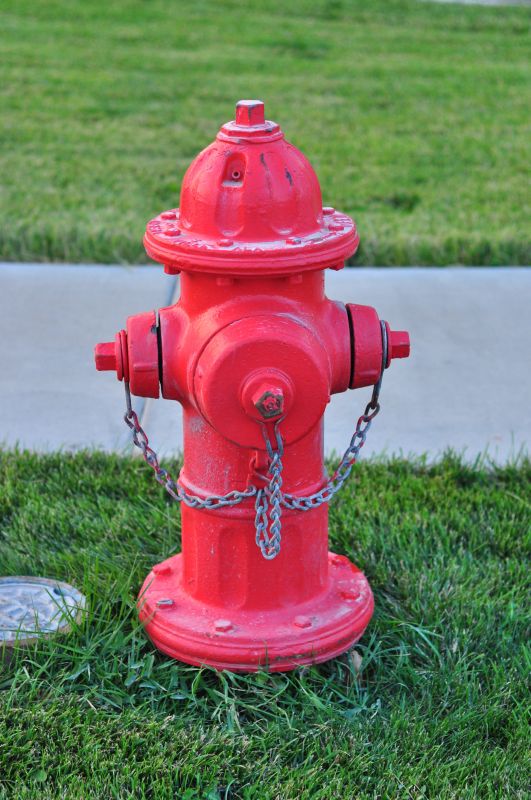
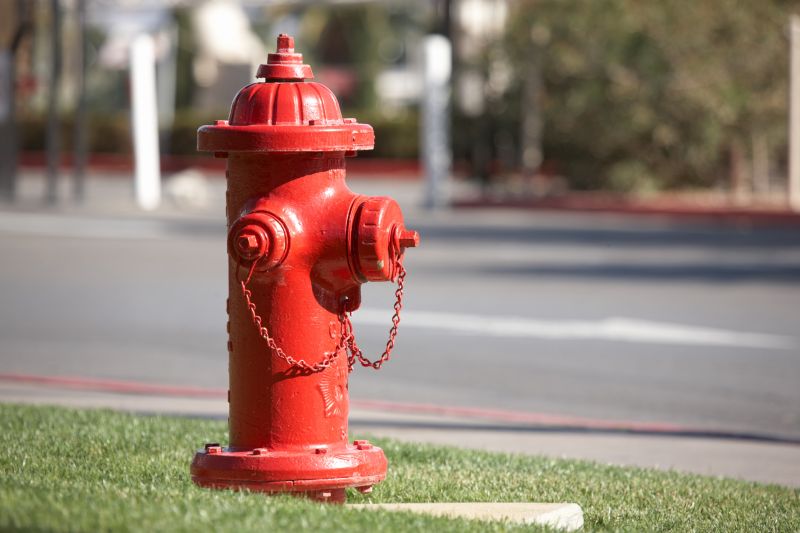
Ground hydrant installation is a common project for property owners who need reliable access to water in emergency situations or for regular maintenance. Whether managing a large commercial property, a school, or an industrial site, having properly installed ground hydrants ensures quick and easy access to water sources when needed. Local contractors experienced in this work can handle the installation process efficiently, helping property owners meet safety standards and ensure the infrastructure functions correctly.
Many property owners seek ground hydrant services to improve fire safety or to support ongoing maintenance tasks. In areas where existing hydrants are outdated or damaged, local service providers can replace or upgrade them to meet current needs. Additionally, those managing farms, construction sites, or public spaces may look for local pros to install new hydrants to support their operations. Connecting with experienced local contractors can provide the expertise necessary to complete these projects smoothly and effectively.
What is ground hydrant installation? Ground hydrant installation involves setting up underground water access points that provide convenient fire protection and water supply options for properties.
What types of properties typically need ground hydrant installation? Ground hydrants are often used in commercial, industrial, and large residential properties where easy access to water is essential for safety or operational purposes.
How do local contractors determine the best ground hydrant system for a property? Contractors assess factors such as property size, water source availability, and specific usage needs to recommend suitable ground hydrant solutions.
Are ground hydrant installations suitable for all climates? Ground hydrants can be installed in various climates, but local contractors consider environmental conditions to ensure proper functionality and durability.
What maintenance is required for ground hydrants after installation? Regular inspections and maintenance by service providers help ensure ground hydrants operate correctly and remain in good condition over time.
Ground Hydrant Installation for Fire Safety - Property owners can enhance fire protection on large or remote properties by installing ground hydrants for quick access during emergencies.
Water Access for Agricultural Needs - Farmers and landowners may use ground hydrants to easily access water for irrigation or livestock without extensive piping.
Emergency Preparedness Planning - Installing ground hydrants can be part of a property’s emergency readiness, ensuring water sources are readily available in crisis situations.
Property Development and Landscaping - Developers and landscapers might incorporate ground hydrants into new projects to facilitate ongoing maintenance and irrigation needs.
If you are thinking about Ground Hydrant Installation for a property, this guide is meant to help you understand the work, the typical project types, and how different options might fit your plans.
When you are ready, you can use the quote form on this page to share a few details about your project. From there, local pros can review the basics and respond with options that match what you have in mind.